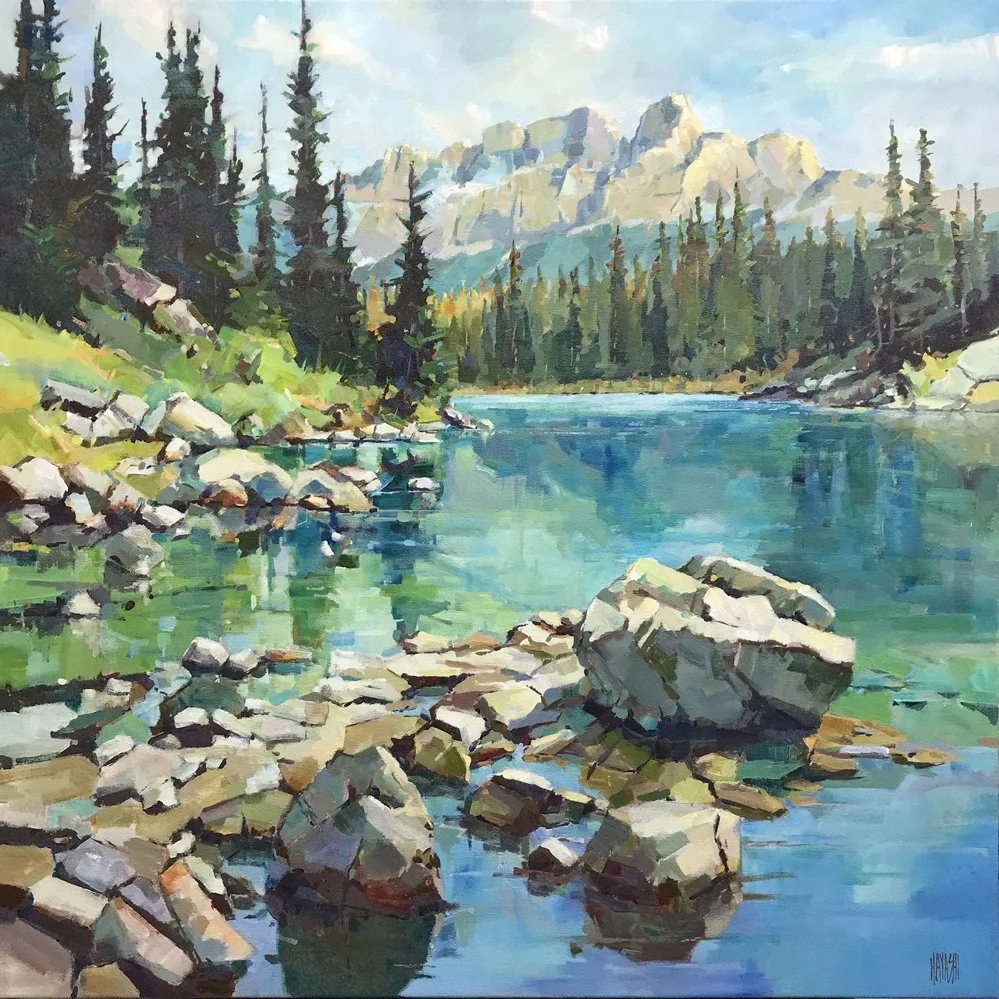
Distant Castle - Randy Hayashi
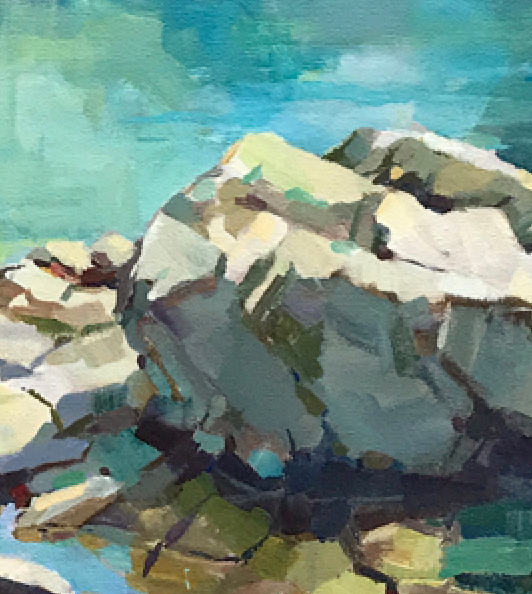
Being married to an artist and having his studio in our home, I have the unique privilege of walking past his work throughout the day. Yesterday, I peeked in and commented that a painting looked finished, but he said, “Nah, it needs more contrast.” I didn’t understand until the next time I walked by, and it caught my eye. “Wow”, I said, “You really brightened that rock in the foreground!” But that wasn’t what he did. He added darker shadows to the rock, which made it stand out. He didn’t add brightness; he added darkness. Contrast was what it needed.
It reminded me of what the day after a migraine feels like. You can go outside and light and sound don’t hurt. Or when you’ve been thirsty, and you taste that first sip of ice-cold water. When you’ve had multiple nights of bad sleep with a crying baby, and you wake up to look at the clock and realize you and the baby slept through the whole night! You wouldn’t know how good it was until you went without it. It’s the lack of something that makes gaining something so much better!
Well, Heather, you might say, that’s nice in theory, but what are you saying? Are you saying that in order to appreciate the good things in life we should hope for or create something bad to happen? For the contrast?
No, of course not. That would be crazy.
What I am saying is that if we realize that contrasts are important, are natural, are part of this world’s experience as humans, then maybe we can learn to allow more room for them in our lives instead of wishing every day was a blue sky day.
Okay, you say, can you give me an example?
Sure.
Let’s say you have something in your life that you wish wasn’t there: a chronic illness, pain, a broken relationship, a heavy responsibility, a financial burden, a process or people that you need lots of patience for. If you take a deep breath and allow yourself to accept that it is necessary in your life right now, even if you don’t want it there, then instead of spending your energy wishing it away, you can look for contrasts. It will take some creativity, some imagination, and maybe some outside help to find perspective, but there is something to see.
For instance, this past week, I had another flare. Doc is still trying to identify if I have Crohn's. (I swallowed the pill-camera a few weeks ago, and after six hours it popped out into my ostomy bag, and I kept it as a souvenir! 😁 Still waiting for them to review the movie and give me the results. Remember the “Magic School Bus”? Kinda like that! Pretty cool, actually.)
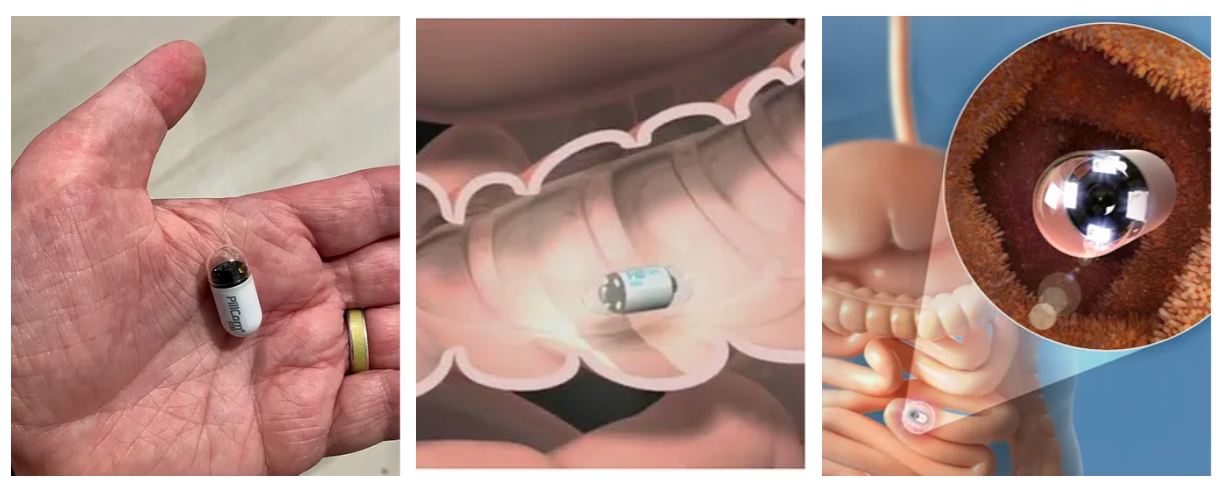
But the flares have been more consistent; they last about five days, every two weeks, and it’s non-stop nausea, fatigue, upset stomach, can’t tolerate food, abdominal cramps and then it’s over. Very strange. It is frustrating because I am gaining momentum at the Pilates gym I’m going to, and then to stay in bed for five days feels like a backwards step. But it’s a new cycle that is happening now. I didn’t have this before my surgery, which was for colitis, but now, something new is happening. This part of chronic illness is frustrating.
But as I’ve been pondering contrasts, I tried to apply that to my experience during my recent flare. These are a few of my findings:
Being in bed for five days: provided rest that my body needed, which I normally wouldn’t give it that much. I prayed more, slowed down my thoughts, and took a break from social media and busy activities. A retreat, in a way.
Nausea: reminded me that even though I still can’t eat solid food normally, at least when I do eat, it stays down. It made me grateful for my limited diet.
Fatigue: showed me that when putting laundry in the machine exhausted me to the point of needing to lie down, that meant that normally, I’m stronger. I’m grateful for that.
Isolation: reminded me that although it’s necessary for a time, it’s not good long term, and so I reached out to a few friends.
Pain: showed me that I do have some good methods for finding comfort, a practiced habit of using a heating pad and pain medications, without a mental struggle of wondering what to do or if I should take meds. Simple decision-making. I’ve got some skills here.
Then, when I woke up this morning and didn’t need to take Gravol, I noticed. When my daughter-in-law called and asked if I could come play with my grandkids for the afternoon, I said yes! When I ate food later in the day and it stayed down, I felt nourished and thankful.
We can either say, “This is hard, I accept it and will do my best”, or
“This is hard, I HATE it, there is NO value in this and can’t wait for it to be over!!”
Actually… there is value in it.
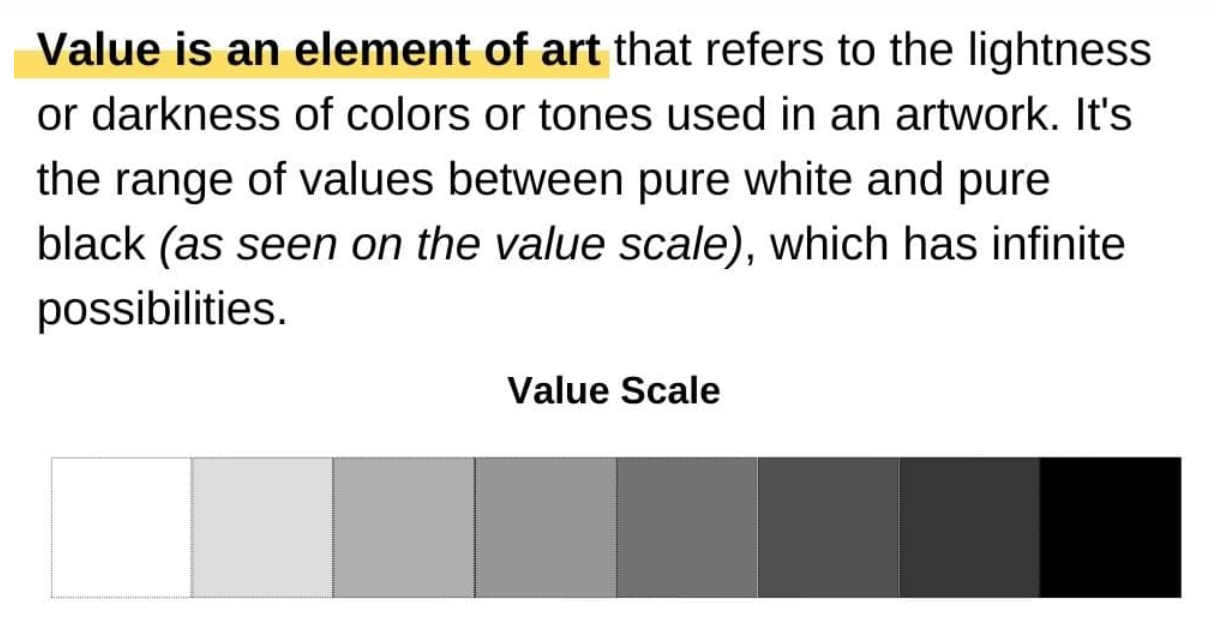
If we open our hearts to the idea that contrasts are part of life, the different values make the world more interesting and make the brights even brighter, then we don’t have to wish them away too quickly without looking to see what else might be there. And in doing so, we build resiliency; we become stronger people, able to withstand difficult things, able to live in the greys, the darks, the shadows, the not-yets, and the reality of this world as it is now, while still hoping and looking forward to brighter brights!
“Be joyful in hope, patient in affliction, faithful in prayer.” Romans 12:12